
Winter takes a toll on every vehicle, but diesel trucks face unique challenges during the colder months. From idling in freezing temperatures to battling road salt and slush, your diesel engine works overtime between November and March. Spring is the ideal time to address the wear and tear that accumulates during harsh Ontario winters. A thorough spring diesel maintenance inspection helps catch small problems before they become expensive repairs, extends the life of your engine, and ensures your truck runs efficiently throughout the warmer months ahead.
Whether you haul equipment across Wellington County, work on a local farm, or rely on your truck for daily driving around Palmerston and the surrounding communities, taking care of your diesel now saves time, money, and headaches down the road. At CDP Diesel & Auto, we put together this spring diesel maintenance checklist to help local drivers understand what their trucks need after a long Ontario winter.
How Winter Affects Your Diesel Truck
Diesel engines are built tough, but even the most reliable trucks need attention after months of cold weather operation. Understanding what winter does to your vehicle helps you prioritize the right maintenance tasks.
Cold Start Stress
Every cold start puts additional strain on your engine. When temperatures drop, diesel fuel thickens, oil becomes more viscous, and batteries work harder to turn over the engine. These repeated cold starts cause accelerated wear on starters, glow plugs, and internal engine components. By spring, these parts may be showing signs of fatigue.
Road Salt and Corrosion
Ontario roads get treated heavily with salt and brine during winter months. While this keeps roads safer, it wreaks havoc on your truck’s undercarriage, brake components, and suspension. Salt accelerates rust and can damage electrical connections, brake lines, and frame components if left unchecked.
Fluid Degradation
Operating in extreme cold causes your engine oil, coolant, and other fluids to work harder than normal. Condensation can build up in fuel tanks and crankcase systems, potentially leading to contamination. Winter-blend diesel fuel also behaves differently from summer blends, and leftover winter fuel can cause performance issues as temperatures rise.
Your Complete Spring Diesel Maintenance Checklist
A comprehensive spring inspection covers all the systems that work hardest during winter. Here’s what should be on your radar as the snow melts and warmer weather arrives in the Palmerston area.
Start with fresh oil. Winter driving often involves more idling, more cold starts, and more stop-and-go traffic, all of which contaminate oil faster than normal highway driving. Check your manufacturer’s recommendations, but most diesel trucks benefit from an oil change at the start of spring regardless of mileage. Don’t forget the filter, and have your technician inspect the oil for signs of coolant contamination or excessive soot.
Fuel System Inspection
Your fuel system deserves special attention after winter. Condensation can introduce water into your fuel tank, which leads to poor combustion, injector problems, and potential damage to fuel system components. A fuel filter replacement is often recommended in spring. If your truck has a water separator, have it drained and inspected. A fuel system cleaner can also help flush out any accumulated deposits.
Coolant System Check
Coolant protects your engine from both freezing and overheating. After months of cold weather operation, test your coolant’s freeze protection and pH levels. Look for signs of leaks around hoses, the radiator, and the water pump. Coolant hoses can become brittle after repeated freeze-thaw cycles, so inspect them for cracks, swelling, or soft spots.
Battery and Electrical System
Cold weather is brutal on batteries. Have your battery tested for cold cranking amps and overall health. Clean any corrosion from terminals and cable connections. Check your alternator output to ensure it’s properly charging the battery. Inspect glow plugs or intake heaters, as these components work overtime during winter and may need replacement.
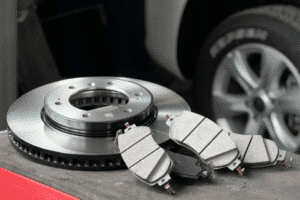
Salt and moisture attack brake components all winter long. Have your brakes thoroughly inspected, including pads, rotors, calipers, and brake lines. Look for signs of rust, corrosion, or uneven wear. Brake fluid absorbs moisture over time, so check the fluid condition and consider a brake fluid flush if it hasn’t been done recently.
Potholes and rough winter roads take a toll on suspension components. Inspect shocks, struts, ball joints, tie rod ends, and bushings for wear or damage. Check wheel bearings for play or noise. Damaged suspension components affect handling, tire wear, and overall safety.
One of the most important spring maintenance tasks is a thorough undercarriage cleaning. Remove all the salt, sand, and road grime that accumulated over winter. Once clean, inspect the frame, crossmembers, and mounting points for rust damage. Catching corrosion early allows for treatment before it becomes a structural concern.
If you ran winter tires, now’s the time to switch back to your all-season or summer rubber. Regardless of tire type, check tread depth, look for uneven wear patterns, and inspect sidewalls for damage from potholes or curb strikes. Proper tire inflation is also crucial, as tire pressure changes with temperature, so adjust accordingly for warmer weather.
Air Filter Replacement
Your engine’s air filter works hard during winter, capturing dust, debris, and particulates from the road. A clogged air filter restricts airflow, reducing engine efficiency and power. Spring is an excellent time to install a fresh filter, especially if you do a lot of driving on gravel roads common throughout Wellington County and surrounding areas.
Belts and Hoses
Extreme temperature swings stress rubber components. Inspect all belts for cracking, fraying, or glazing. Check hoses for soft spots, bulges, or leaks. The serpentine belt, in particular, drives critical components like your alternator, power steering pump, and A/C compressor.
If you’re noticing any warning signs or simply want peace of mind heading into spring, the team at CDP Diesel & Auto is ready to help. Visit us at 114 Noble Family Rd, Palmerston, ON N0G 2P0, or call (519) 418-3344 to schedule your spring diesel maintenance inspection.
Warning Signs Your Diesel Needs Immediate Attention
While preventative maintenance is ideal, sometimes problems demand immediate attention. Watch for these warning signs that indicate your diesel truck needs service sooner rather than later:
- Hard starting or extended cranking times
- Excessive black, white, or blue exhaust smoke
- Reduced power or poor acceleration
- Unusual engine noises like knocking, ticking, or whining
- Warning lights on your dashboard, especially check engine or low oil pressure
- Visible fluid leaks under your truck
- Vibrations or pulling while braking
- Rough idle or stalling
- Decreased fuel economy
- Strange smells like burning oil or coolant
Any of these symptoms needs a professional diagnosis. Ignoring warning signs often leads to more extensive and expensive repairs down the road.
Why Palmerston Drivers Trust Their Diesel Trucks to Our Team
Our technicians hold 310S certifications and Red Seal Journeyman credentials, so you know your truck is in qualified hands. We’re also a licensed MVIS station for annual safety inspections in Ontario and ODP certified to service both R134a and R1234yf A/C systems.
Warranties That Protect Your Investment
- 1-year in-house warranty on parts and labor
- 1-year NAPA warranty with North American coverage
- 2-year warranty on transmission work
- Free towing for the first 100 kilometers on warranty repairs
Tools and Convenience That Make a Difference
- OEM factory-direct diagnostic scanners for accurate diagnosis
- Digital vehicle inspections so you see exactly what we find
- After-hours drop-off for your convenience
We’ve built our reputation serving farmers, contractors, landscapers, and families throughout Palmerston, Listowel, Harriston, Mount Forest, and beyond. When your diesel truck needs spring maintenance, we’re here to help.
Prepare Your Diesel for the Season Ahead
Spring diesel maintenance isn’t just about fixing what winter broke. It’s about setting your truck up for success in the months ahead. A well-maintained diesel runs more efficiently, produces fewer emissions, and lasts longer than one that’s neglected. The checklist approach ensures nothing gets overlooked, from major systems like your engine and brakes down to smaller details like air filters and belts.
Taking care of your truck now means fewer breakdowns during the busy summer months when you need your vehicle most. Whether you’re hauling equipment, towing trailers, or simply commuting around Wellington County, a spring inspection gives you confidence that your truck is ready for whatever the road brings.
FAQs About Spring Diesel Maintenance
What maintenance should be done on a diesel truck?
Regular diesel truck maintenance includes oil and filter changes, fuel filter replacement, coolant system checks, brake inspections, and air filter replacement. Diesel engines also require attention to glow plugs, turbochargers, and fuel injectors to maintain optimal performance and longevity.
How often should diesel trucks be serviced?
Most diesel trucks should be serviced every 5,000 to 7,500 miles for oil changes, though heavy-duty use may require more frequent intervals. Comprehensive inspections are recommended at least twice per year, ideally in spring and fall, to address seasonal wear and prepare for changing conditions.
What is the most common problem with diesel engines?
Fuel system issues rank among the most common diesel engine problems. Contaminated fuel, clogged injectors, and failing fuel pumps cause poor performance, hard starting, and reduced fuel economy. Regular fuel filter changes and quality fuel help prevent most fuel-related problems.
Is it worth maintaining an older diesel truck?
Maintaining an older diesel truck is often more cost-effective than purchasing new, especially for well-built engines with proper care. Diesel engines are designed for longevity and can easily exceed 300,000 miles with regular maintenance. The key is addressing issues early before they become major repairs.
Why is spring a good time for diesel maintenance?
Spring is ideal for diesel maintenance because it allows you to address damage from winter driving before summer heat adds stress. Cold starts, road salt, and condensation all take a toll during colder months. A spring inspection catches these issues early and prepares your truck for the demanding months ahead.
Schedule Your Spring Diesel Maintenance in Palmerston, ON Today
Ready to get your diesel truck ready for warmer weather? The team at CDP Diesel & Auto specializes in diesel pickup repair and maintenance for drivers throughout Palmerston and the surrounding Ontario communities. Schedule your spring diesel maintenance inspection today and drive with confidence knowing your truck is in expert hands.
Visit us at 114 Noble Family Rd, Palmerston, ON N0G 2P0, or call (519) 418-3344 to book your appointment. We look forward to helping you keep your diesel running strong.
Recent Blog Posts: